Preventing Bread Waste at Home and Beyond
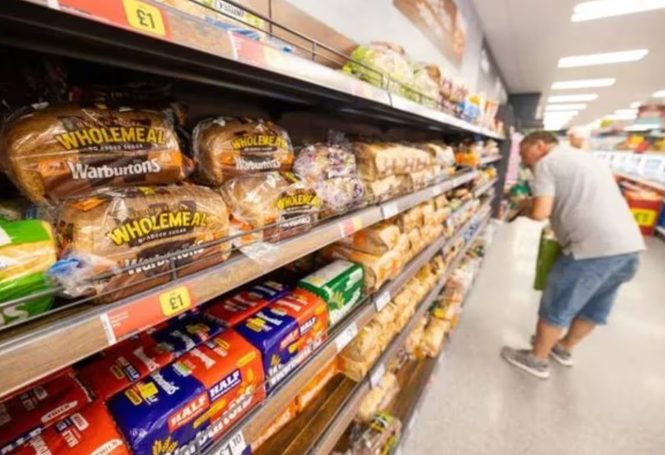
Bread is one of the most commonly wasted foods in the UK, but a few simple habits can make a big difference in reducing waste at home.
Storage is key to keeping bread fresh for longer
It should be kept in a cool, dry place in an airtight container or bread bin. Planning ahead also helps: choosing the right size loaf and selecting bread with the latest “best before” date can reduce the chance of it going to waste. If you know you won’t finish a loaf in time, freezing it is an effective way to extend its shelf life – especially if it’s sliced beforehand for easy use.
Stale bread doesn’t have to be thrown away. There are several free tools that make it easier to plan meals, cook the right portions and use up ingredients you already have.
In fact, slightly stale bread often works better in recipes because it absorbs moisture more effectively. There are many simple ways to repurpose leftover bread into new meals, helping to reduce household food waste while saving money. Popular ideas include:
- Breadcrumbs
- Croutons
- French toast
- French toast casserole
- Bread pudding
There are plenty of easy recipes available online to help turn leftover bread into something new and delicious.
No Loaf Lost
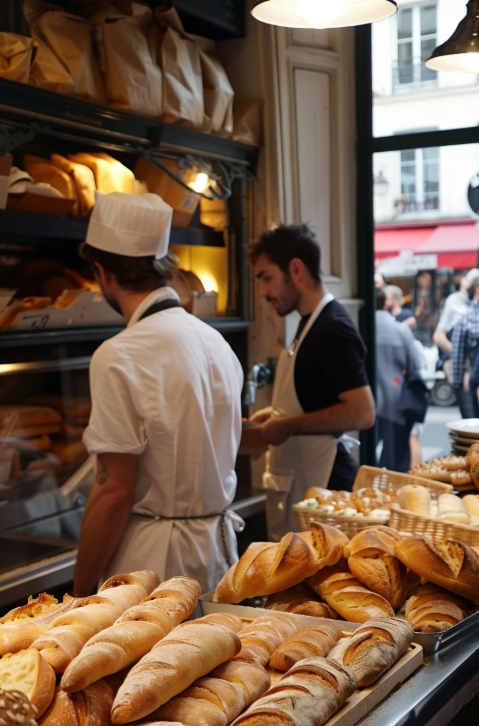
At a larger scale, efforts are also being made to reduce bread waste in bakeries and across the food system. The Real Bread Campaign promotes its “No Loaf Lost” initiative, which encourages businesses to follow the food waste hierarchy. This means prioritising the reduction of surplus production, redistributing any excess bread to people, and repurposing it only for uses such as animal feed, fertiliser, or energy as a last resort.
The campaign also highlights that wasted bread represents not just food, but the energy, water, labour and cost that went into producing it. Its free downloadable guide supports bakeries to better understand where surplus comes from, plan production more accurately, and take practical steps to reduce waste.
These approaches show the importance of preventing waste before it occurs and making the most of food at every stage of the supply chain.