News

15 Ways To Make More Sustainable Food Choices
IFP Food Advocare Sierra Kuhn shares ways to reduce waste, save and make healthier decisions
Food touches every part of our lives, and the choices we make about what we buy, cook, and throw away have a real impact on the planet. The good news is that sustainable eating doesn’t require perfection; small, consistent changes add up. Below are 15 practical ways you can make more sustainable food choices, from rescuing surplus food to understanding the carbon footprint of what’s on your plate.
1. Use food waste apps.
Apps like Too Good To Go and OLIO connect you with surplus food from cafés, shops, and neighbours that would otherwise be binned often at a discount or for free.
2. Understand the difference between “Use By” and “Best Before” dates.
Most prepacked foods have either a use‑by date or a best-before date. Use-by dates relate to food safety, whereas best-before dates relate to quality. Manufacturers decide whether to apply a use-by date or a best-before date to their products, depending on the type of food and how likely it is to become unsafe to eat over time.
3. Follow Love Food Hate Waste tips.
Simple habits, such as measuring portions, keeping your fridge at 0–5°C, shopping with a list, and using up leftovers creatively, can cut waste with minimal effort. Local organisations like Bags of Taste build on this, running free cooking courses that teach budgeting, batch cooking, and food storage skills to people facing food poverty.
4. Support the Felix Project (an Islington Food Council Partner).
The Felix Project is London’s largest food redistribution charity. It rescues surplus, in-date, high-quality fruit, veg, meat, and baked goods from over 500 suppliers that would otherwise go to landfill and delivers them free of charge to schools, food banks, and community groups.
5. Cook seasonally.
In-season produce needs less energy to grow, tastes better, and is usually cheaper than food grown in heated greenhouses or flown in from abroad.
6. Support local producers.
Farmers’ markets, farm shops, and local butchers keep money in the community, often involve more transparent farming, and typically mean less packaging and fewer food miles. Food policy charity Sustain campaigns nationally to make local, sustainable food systems easier to support.
7. Try a meat-free day.
Meat and dairy have a larger environmental footprint than plant-based foods. One meat-free day a week (Meat-Free Monday, for example) is an easy, sustainable habit to build.
8. Use a meal planning app.
Apps like Mealime or Supercook help you buy only what you need, use up what’s already in the fridge, and avoid impulse over-buying.
9. Eat more diverse foods.
Global diets lean heavily on a handful of crops. The World Wildlife Fund and Knorr’s Future 50 Foods highlight nutritious, lower-impact alternatives like beans, seaweed, and millet that are worth adding to the rotation.
10. Choose sustainable seafood.
Look for Marine Stewardship Council (MSC) or Aquaculture Stewardship Council (ASC) labels, diversify away from over-fished species, and ask where your fish comes from when eating out.
11. Dispose of unavoidable waste correctly.
Food sent to landfill produces methane. Home composting or council food waste collection is far less harmful. Surplus that’s still edible is best channelled to redistribution charities like FareShare, FoodCycle, and local foodbanks before it ever reaches a bin. Mildmay Community Centre runs a great example of this locally, hosting weekly community composting workshops covering everything from Bokashi composting to building wormeries, turning residents’ food waste into compost rather than landfill.
12. Buy “wonky” fruit and veg.
Cosmetically imperfect produce tastes the same and is often cheaper, reducing waste further up the supply chain.
13. Grow your own herbs.
A windowsill herb pot cuts packaging and food miles to zero and can make people more mindful of food waste in general. Environmental charity Groundwork supports community growing projects that make this accessible to people without gardens.
14. Cut down on packaging.
Buy loose produce where you can, use refill shops for staples, and bring reusable bags while remembering that some packaging genuinely helps prevent food waste.
15. Understand your food’s carbon footprint.
Red meat and dairy have the highest footprints; plant-based foods are generally the lowest. Small swaps, like occasionally choosing poultry over beef, can make a meaningful difference. Hospitality sustainability specialists like KLH Sustainability help local businesses measure and reduce their footprint.
No single change on this list will fix the food system on its own, and that’s not really the point. Sustainable eating works cumulatively: a food waste app here, a meat-free day there, a bit more attention to seasonality and packaging, and together, these small, repeatable habits add up to something genuinely meaningful. The best approach for most people isn’t to adopt all fifteen at once, but to pick two or three that fit naturally into existing routines and build from there
Support the call for food resilience to be part of the UK’s emergency planning
The Islington Food Partnership is supporting an open letter calling for food system organisations and networks to be formally included in the UK’s emergency planning and response arrangements.
The letter, co-authored by Professor Tim Lang and FoodRise, is calling for changes to the Civil Contingencies Act 2004, which is currently being reviewed. The Act provides the framework for preparing for and responding to major emergencies across the UK. While disruption to food supplies is recognised as a potential cause of a national emergency, food system actors are currently missing from the emergency response provisions.
The letter calls for food actors to be recognised as part of the key emergency response network, alongside a requirement for local authorities to establish local food resilience committees. These committees would have a role in preventing, planning for and responding to food crises, and in bringing together the organisations needed to protect local food supplies during an emergency.
We will be signing the letter on behalf of the Islington Food Partnership, and it would be great to see as many organisations and individuals from across Islington adding their support too. If you work on food, community resilience, public health, emergency planning or related issues, your voice can help demonstrate the importance of food resilience at a local and national level.
There is also a government consultation currently open on the Civil Contingencies Act. Sustain will be submitting a response calling for a more consistent approach to food resilience, drawing on examples from Dyfed Powys, London and other areas highlighted in its Civil Food Resilience Report.
If you have been working on food resilience in Islington, you are particularly encouraged to submit an individual response to the consultation. FoodRise has prepared a template to make this easier, although you are encouraged to add your own experiences and views.
The deadline to sign the open letter is midday on Sunday 4 October. The deadline for consultation responses is 9am on Monday 5 October.
You can add your name to the open letter below.
Funding available for community groups to help tackle food waste
Community groups in Islington can apply for £1,500 in funding, training and resources to help local residents reduce household food waste and save money.
The North London Waste Authority (NLWA) is inviting community groups across north London to apply for its Bin Less Save More fund. The fund is aimed at community groups that are not already delivering food waste prevention activities and are based in Barnet, Camden, Enfield, Hackney, Haringey, Islington or Waltham Forest.
Successful groups will receive training, materials and financial support to deliver three Bin Less Save More workshops in their communities. Each participating group will receive £1,500, as well as all the resources needed to deliver the workshops.
The workshops are designed to help residents understand the issue of food waste and make practical changes to reduce the amount of food they throw away. They also include a low-waste cooking demonstration, giving residents practical ideas and skills they can use at home.
NLWA has previously developed and delivered Bin Less Save More workshops for residents. Evaluation of the programme found that residents who attended the workshops reduced their household food waste.
The fund provides an opportunity for community groups to bring this practical support to their local communities, helping residents reduce food waste while also making their food budgets go further.
Applications are open until 9 October 2026.
To find out more about the opportunity and apply, visit Bin Less Save More.

Pet Food Bank available for Islington residents
If you or someone you support is struggling with the rising cost of living and finding it difficult to afford food for their pet, a weekly Pet Food Bank is available at Mildmay Community Centre.
The Pet Food Bank is open to Islington residents every Tuesday from 10am to 1pm. People can drop in and sign up to receive pet food on a weekly basis.
As well as pet food, there are sometimes other items available, including litter, straw, leads and pet accessories. Availability varies, so people can ask about specific items when they visit.
The Pet Food Bank aims to support local people who are struggling financially, helping to make sure that pets can continue to be cared for and remain safely with their families.
The collection point is:
Mildmay Community Centre
Woodville Road
Islington
N16 8NA
Telephone: 020 7249 8286
If you work with Islington residents or support local families and individuals, please share this information with anyone who may benefit. You can also display the Pet Food Bank poster at your organisation or community venue.
For more information, contact Mildmay Community Centre on 020 7249 8286.
Make a difference in your community: Volunteer with Cook For Good
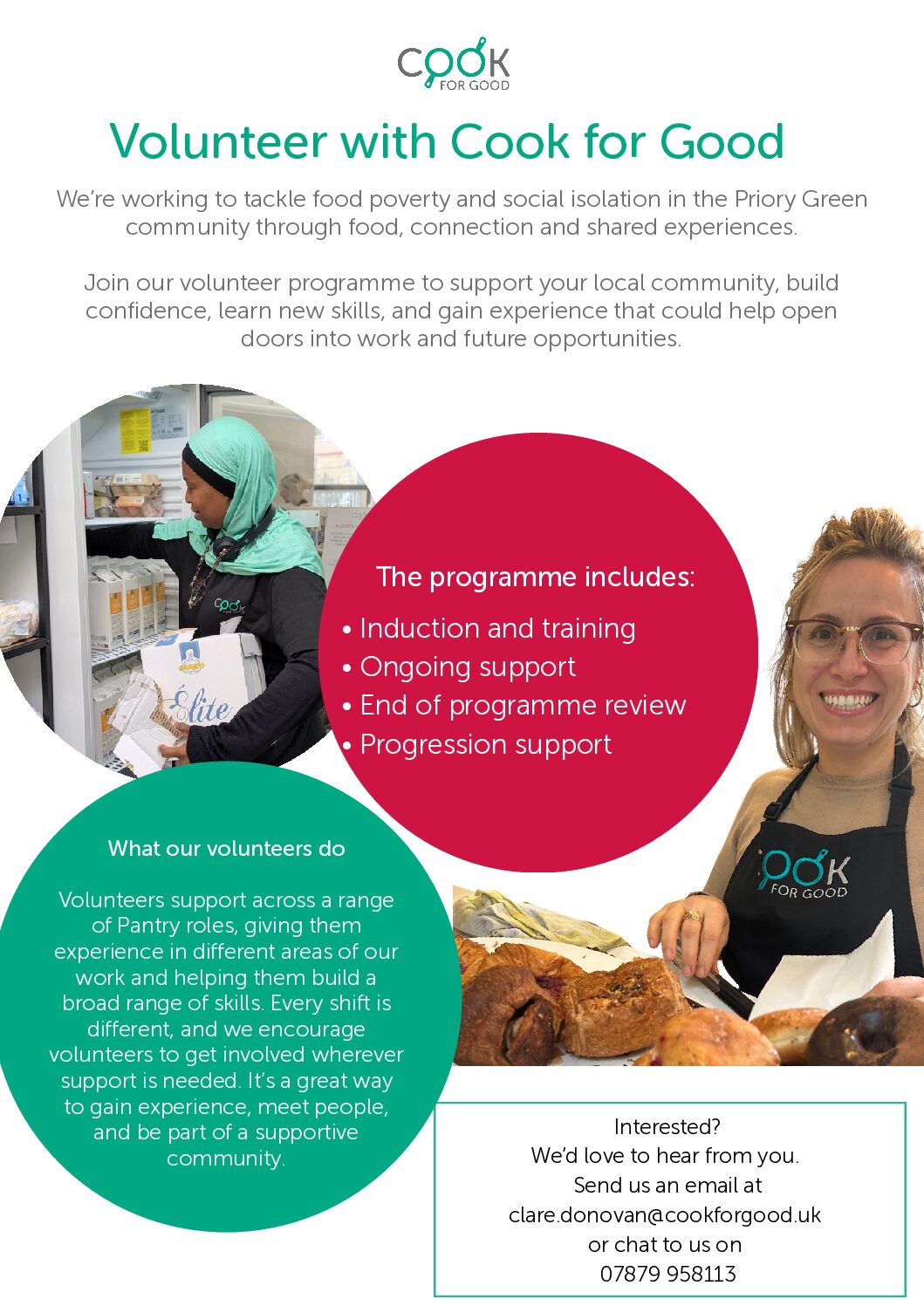
Islington Food Partnership members, Cook for Good are looking for local people to join their volunteer programme in the Priory Green community.
Volunteering is a great way to get involved in your local community, meet new people, build confidence and develop valuable skills and experience. Volunteers support across a range of Pantry roles, with every shift offering the chance to get involved where support is needed.
The programme includes induction and training, ongoing support, an end-of-programme review and progression support.
Cook for Good’s work aims to tackle food poverty and social isolation through food, connection and shared experiences.
Interested in volunteering? Contact Clare at clare.donovan@cookforgood.uk or 07879 958113 to find out more.
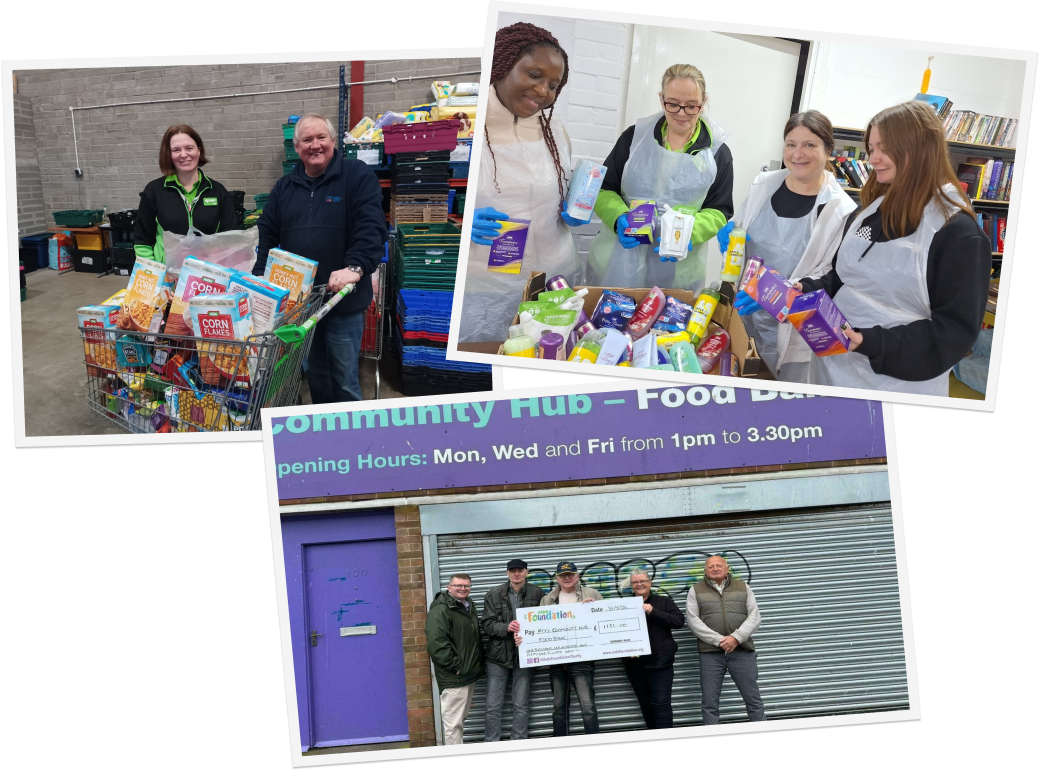
Fundraising opportunity: Asda Foundation’s Foodbank Fundamentals Fund
A fast-moving grant opportunity has just opened that could make a real difference to smaller food organisations across our network.
The Asda Foundation’s Foodbank Fundamentals Fund offers grants of up to £1,000 to not-for-profit groups whose core purpose is distributing food and tackling food poverty in their local community. That includes food banks, community pantries, social supermarkets, soup kitchens and breakfast clubs. The fund is designed to help these groups stock up on essential food and hygiene items, invest in equipment such as fridges or freezers, improve storage, or cover fuel costs for delivering food to isolated members of the community.
To be eligible, your organisation’s total annual income must be £250,000 or below. You’ll also need to have your governing documents in order, a safeguarding policy with two named safeguarding leads, and a bank account in your group’s name that accepts cheques, as that’s how successful grants are paid out.
The application process starts with an eligibility check on the Asda Foundation website, after which you’ll be directed to their online grant portal to complete the full application. It’s worth reading the full guidance before you start, and gathering your supporting documents in advance to make the process as smooth as possible.
Applications are open now and the fund closes at 10am on 22nd September, though the Asda Foundation has warned it may close earlier if demand is high, or if particular geographical areas become oversubscribed. If this sounds like it could apply to your organisation, our advice would be not to wait. Full details, eligibility criteria and the application link can be found on the ASDA Foundation Website.

Free training opportunities for food hub volunteers and staff
We’re pleased to share two upcoming free training opportunities for food hub volunteers and staff, delivered as part of the Cripplegate Food Fund Volunteer Training Programme.
These courses are a great opportunity to build confidence, develop practical skills and gain experience that can support volunteering, employment and day-to-day life.
Empower You; Confidence Unlocked
25 September – 23 October 2026
Every Friday, 10am – 12pm
Voluntary Action Islington, Second Floor, 200a Pentonville Road, London N1 9JP
This free five-week course will help you:
- Build your confidence
- Feel more comfortable in social situations
- Develop ways to manage stress
- Set goals for your own personal development
The course is a chance to recognise your strengths, build confidence and learn practical ways to manage stress.
Find out more about the Cripplegate Food Fund Volunteer Training Programme
Apply for Empower You; Confidence Unlocked
Please note that you must apply and receive confirmation before attending.
For more information, contact Alison at Alison.Moore@islington.gov.uk or 07808 879044.
Customer Service for Work
6 November – 4 December 2026
Every Friday, 10am – 12pm
Voluntary Action Islington, Second Floor, 200a Pentonville Road, London N1 9JP
This free five-week course is designed to help you develop the skills and confidence needed to thrive in the workplace, whether you’re preparing for employment or moving into a new role.
The course will cover:
- Why customer service matters to businesses and organisations
- Communicating effectively and identifying customer needs
- Making a good first impression
- Confidentiality, equality and diversity
- How to deal with complaints
Apply for Customer Service for Work
Please note that you must apply and receive confirmation before attending.
For more information, contact Alison at Alison.Moore@islington.gov.uk or 07808 879044.
Both courses are completely free for food hub volunteers and staff. Please share these opportunities with your team and encourage anyone who may benefit to apply.
Applications Open for Thrive LDN: London Communities Micro Grant Fund
New Micro Grant Fund Now Open for Grassroots Groups
Do you run a small, grassroots organisation that’s already changing lives in your community? Applications have just opened for The London Communities Micro Grant Fund, delivered by Groundwork London. Grants of up to £5,000 are being offered to grassroots and community-led organisations working with some of London’s most marginalised and underserved communities. The fund is all about backing the people who are already doing the work, supporting projects that build wellbeing, resilience and a sense of belonging across the capital.
If that sounds like your organisation, here’s everything you need to know.
- Applications open: Monday 24th August
- Online support workshop: Wednesday 9th September 2026, 4pm–5:30pm
- Applications close: Monday 21st September 2026, 10am
- Outcome announcements: Friday 2nd October 2026
Groundwork London is running a free online information workshop on Wednesday 9th September, 4pm-5.30pm, for anyone who wants to learn more about the fund before applying.
There’s also an accessibility pot of up to £500 per applicant, available to support things like:
- British Sign Language (BSL) interpretation
- Translation or interpreting services
- Scribe support
- Help completing the application form
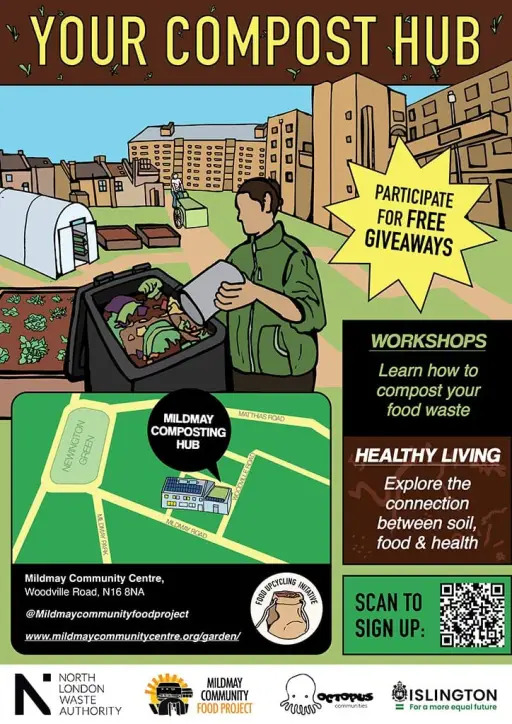
Turning Waste into Growth: Mildmay’s Community Approach to Composting and Climate Action
The Mildmay Community Centre, a member of Islington Food Partnership, has launched a composting scheme, which not only diverts waste from landfill, but improves soil structure, increases water retention, and supports beneficial soil organisms, allowing the community to produce healthy and sustainable food.
The Mildmay Community Food Project demonstrates how composting can contribute to sustainable urban food systems. They offer workshops on organic gardening, seed saving, composting, and soil science, as well as volunteer opportunities that provide hands-on experience in gardening and food production. Its school programs teach children about sustainable food growing and its links to health and well-being, and community events bring people together to celebrate the produce of local urban farms. The project also offers market garden tours, providing opportunities for visitors to learn more about urban food production in practice.
Composting transforms food scraps and garden waste into nutrient-rich organic matter that can be returned to the soil. Healthy soils store more carbon, making composting an important part of regenerative agriculture and climate mitigation (IPCC, 2019). Organic material generated through gardening and food production is returned to the soil, reducing the need for synthetic fertilizers while creating a circular system in which waste becomes a valuable resource.
Food waste is a significant contributor to climate change. When organic waste is sent to a landfill, it decomposes without oxygen, producing methane, a greenhouse gas with a much greater short-term warming potential than carbon dioxide (UNEP, 2021). Preventing food waste is the most effective solution, but where waste cannot be avoided, composting provides a sustainable alternative.
Composting alone will not solve climate change, but it represents a practical action that communities can adopt immediately. By reducing landfill waste, improving soil health, and supporting local food production, composting is an accessible way to contribute to a more resilient and sustainable food system.
Words by Sierra Kuhn
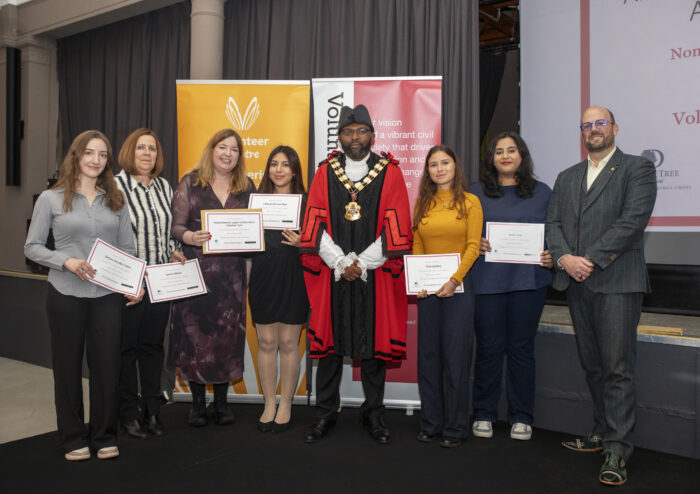
Nominations Open For Islington Volunteer Of The Year Awards
Every year Voluntary Action Islington (VAI) and Volunteer Centre Islington celebrate the achievements and efforts of all people volunteering in Islington, together with the Voluntary, Community, Faith, and Social Enterprise (VCFSE) sector.
There will be five award categories this year:
1. Young Volunteer of the Year: 16 – 25 year old
2. Volunteer of the Year: 26 – 60 year old
3. Older Volunteer of the Year: 60+ year old
4. Pat Haynes Memorial Trustee of the Year
5. Volunteering Team of the Year

Bupa Foundation Green Community Grants Open for Applications
Now in its fourth year, the Bupa Foundation Green Community Grants scheme offers £500–£2,000 to support projects benefiting both people and the environment.
Priority is given to greening urban spaces in cities including London, Manchester, Leeds, Brighton, Glasgow, Dublin and Staines, particularly in the 20% most deprived areas.
Eligible applicants include non-fee paying schools, registered charities, not-for-profits, local authorities and social housing providers across the UK.
Funded projects might include community gardens, tree planting, outdoor classrooms, living walls, food-growing spaces or pocket parks. Projects must be completed by April 2027, with around 175 grants expected to be awarded. Deadline: 30 June 2026

Islington residents: Get free family meal boxes this summer!
Cook For Good are offering Islington residents the chance to get free meal boxes between June and August. Each box contains the ingredients and an easy-to cook recipe for a delicious meal, which will feed 4-6 people.
📍 Collection is in person from Cook for Good, 48 Collier Street, N1 9QZ.
You must live in Islington to receive a box and have 1 or more child under 18 years old in your household, we will prioritise those families who are a recipient of free school meals.
To sign up to receive family meal boxes click the link below!

Jean’s Cafe and the Cally Circular Food Community has won an award!
Our very own Jean’s Cafe as part of the Cally Circular Food Community has won the Waste and Organics Initiative of the Year at The Awards for Excellence in Recycling and Waste Management! 🏆
Winning this award acknowledges the tremendous effort of those in local government dedicating themselves to supporting local communities, facing challenge after challenge, but never giving up in the face of adversity.
Thank you to everyone who makes Jean’s Cafe happen each week, from the local Cally businesses who donate food, to the incredible volunteer team 🙌

Reducing Bread Waste at Home
We are building on our Food Waste reduction effort by zooming in on the number 1 food item that gets wasted in the UK – bread! Cut down on bread waste by storing it well, buying only what you need, and freezing extras. Don’t throw away stale bread – find out how to make tasty new meals with it. Wider efforts like the ‘No Loaf Lost’ initiative also help reduce waste by making less surplus and sharing anything extra.

Reducing Food Waste in Islington
Food waste has environmental, economic and social impacts — but small everyday actions can make a big difference. This guide from the Islington Food Partnership brings together practical tips, tools and organisations helping residents reduce food waste, use leftovers creatively and share surplus food across the borough.

IFP Proud to Support Food Waste Action Week 2026
Islington Food Partnership is proud to support Food Waste Action Week (9–15 March 2026), a national initiative led by Love Food Hate Waste to help households and communities cut food waste and reduce carbon emissions. Discover why it matters for Islington — and how you can take simple, meaningful action to make a difference.

Healthy Start payments rising for local families in April 2026
Healthy Start payments are increasing from April 2026. Eligible families who are pregnant or have children under 4 will receive higher payments on their prepaid Healthy Start card to help buy healthy food, milk and vitamins. Support to apply is available online, by phone, or through local children’s centres.

Opportunity: Engagement Manager at Cook for Good
Cook for Good — a community food hub and social enterprise in King’s Cross — is recruiting an Engagement Manager to help expand its impact across Islington. The role will focus on building partnerships, strengthening community connections and supporting programmes that tackle food insecurity and social isolation through cooking, training and affordable food access. If you’re passionate about community development and want to work in a dynamic, food-focused organisation, this could be an exciting next step. Find out more and apply via Cook for Good.

People’s Assembly on Food: Shaping Islington’s Food Future
The Islington Food Partnership joined 70 residents, volunteers, and local organisations at the People’s Assembly on Food to explore how to create a fairer, greener, and healthier food system in Islington.
Participants shared experiences, discussed priorities like food co‑ops, education, and waste reduction, and helped shape practical actions the IFP is taking forward in the borough.

Call to Action for all Islington VCFSE Organisations
New research estimates that £120 million in benefits goes unclaimed in Islington every year, with more than 34,000 households missing out on vital financial support they are entitled to.
At a time when many residents are struggling with the cost of food, energy and housing, this hidden income could make a life-changing difference.

Host a Felix Fresh Market
Islington food aid providers are invited to host a Felix Fresh community market from The Felix Project, redistributing surplus fresh fruit and vegetables to local residents.
Open to all and supported by Felix staff and volunteers, these markets help reduce food waste, tackle stigma, and expand your reach in the community.
Felix Fresh Event: Free Food at Cook for Good
Islington Food Partnership is promoting this free fresh food distribution, delivered by IFP members The Felix Project and Cook for Good, supporting local residents to access good-quality surplus food.
The Felix Fresh van will be at Cook for Good on Wednesday 21 January, 1.00–2.30pm, offering a wide variety of free fresh fruit and vegetables. No referral is needed and everyone is welcome.
Please take bags, boxes or trolleys to take food home. Supplies are available on a first-come, first-served basis.


Free Resources for Food Aid Providers
We’ve excited to share a set of new resources developed through the Food Aid Providers Community of Practice, including a standards framework and internal and outward-facing charters to support food aid organisations across Islington in improving practice and working towards shared goals. These tools were co-created with partners and frontline providers, and are available for use by local VCSE organisations.

New Training Opportunity for Food Organisations
Cripplegate Food Fund Volunteer Training Programme
We’re excited to share a new free training programme being delivered by Voluntary Action Islington (VAI) and funded by the Cripplegate Food Fund. Designed for volunteers and staff working in food aid and community food settings, the programme offers practical courses to build skills, confidence and resilience across the sector.