Reducing Food Waste in Islington: Practical Tools, Local Action and Useful Resources
Food waste is something most of us deal with at home from time to time — vegetables forgotten at the back of the fridge, leftover meals that never get eaten, or food that passes its “best before” date. But when this happens across thousands of households, the impact can be significant.
Reducing food waste is one of the simplest ways we can all help protect the environment, save money and make better use of the food we produce. It’s also an important part of building a fairer and more sustainable local food system.
During Food Waste Action Week, delivered by Love Food Hate Waste, the Islington Food Partnership is highlighting practical ways that residents, community groups and organisations can reduce food waste. This page brings together useful tools, resources and examples of action happening across the borough.
While the campaign runs for one week each year, reducing food waste is something we can all work on throughout the year.
Why Reducing Food Waste Matters
Food waste has environmental, economic and social impacts.
When food is thrown away, the energy, water and resources used to grow, transport and store it are wasted too. Much of this waste ends up producing greenhouse gas emissions that contribute to climate change.
At the same time, many households are facing rising food costs. Reducing waste can help stretch food budgets further and make everyday cooking more efficient.
Across Islington, community organisations, residents and local partners are working together to reduce food waste and make sure surplus food is used in positive ways.
Simple Tools to Help You Waste Less Food
There are several free tools that make it easier to plan meals, cook the right portions and use up ingredients you already have.
The portion calculator from Love Food Hate Waste helps you work out how much food to cook for different meals, reducing the risk of preparing too much.
If you’re unsure what to cook with ingredients you already have, the recipe generator SuperCook can suggest recipes based on items already in your fridge or cupboard.
These tools can make it easier to plan meals and reduce waste as part of everyday cooking.
Save Food from Local Businesses
Another way to reduce food waste is by helping rescue food that might otherwise be thrown away.
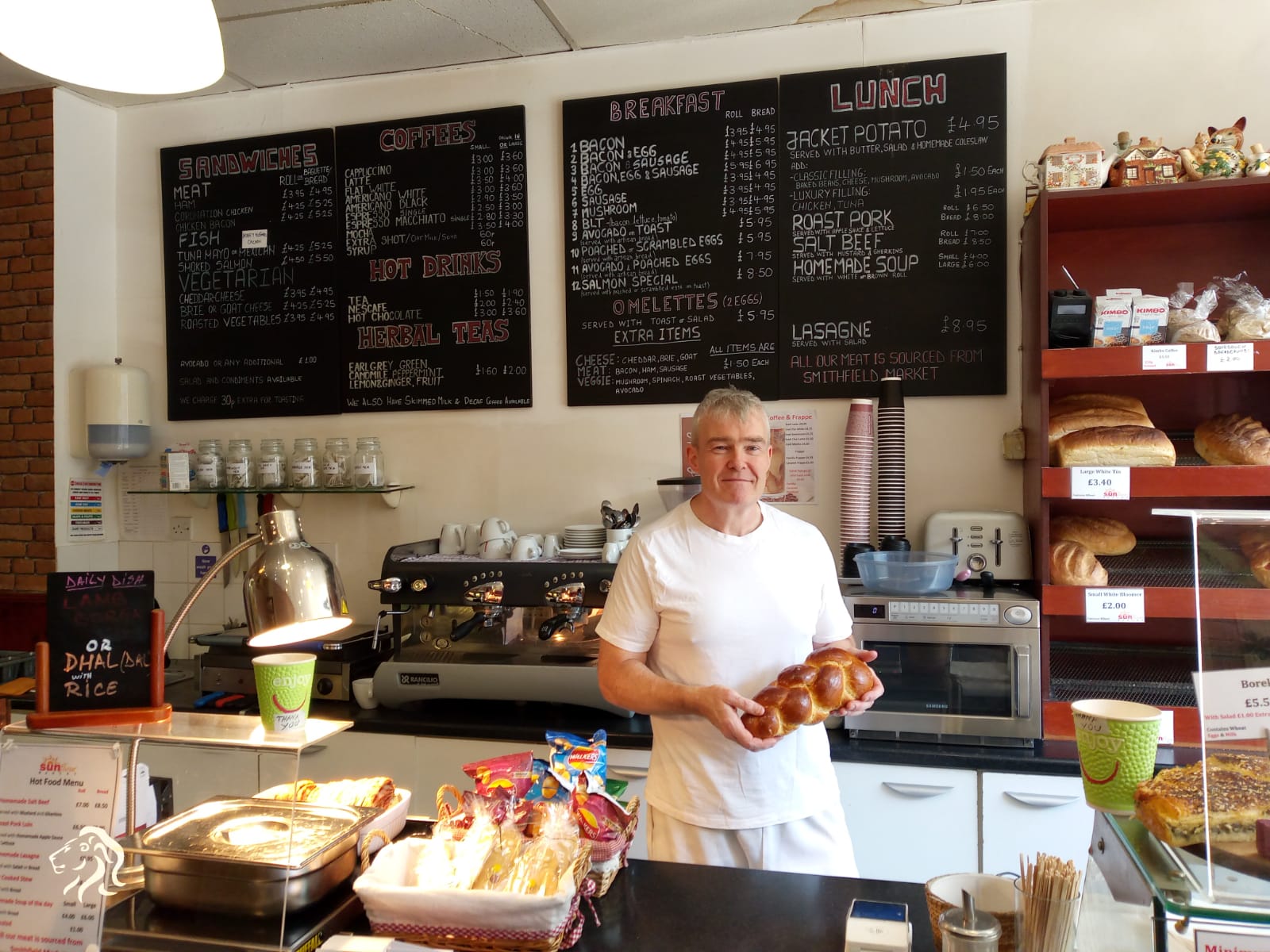
The app Too Good To Go allows people to buy surplus food from cafés, bakeries and restaurants at a reduced price. Many businesses across London use the platform to ensure good food is eaten rather than wasted.
This can be a great way to save money while supporting local businesses and reducing waste.
Get Creative with Leftovers
Leftovers can often be turned into new meals with a little creativity.
The charity FoodCycle shares a wide range of flexible recipes designed to make the most of surplus ingredients such as vegetables, bread and store-cupboard staples.
You can also find practical cooking ideas and sustainability tips from Eat Like A Londoner, which encourages Londoners to cook in ways that reduce waste and make the most of available ingredients.

Food Waste Recycling in Islington
Even with careful planning, some food waste is unavoidable. When this happens, recycling food waste is an important step.
In Islington, residents can recycle food waste through collections organised by Islington Council. The waste is processed and turned into useful products such as renewable energy and fertiliser.
The borough works with the North London Waste Authority to manage waste sustainably and reduce environmental impacts.
Making sure food waste goes into the correct recycling container helps ensure it can be processed effectively.
Tackling Food Waste Across London
Several organisations across London work to rescue surplus food and ensure it reaches people who can use it.
City Harvest collects surplus food from the food industry and redistributes it to charities and community groups across the capital.
Similarly, the Felix Project rescues high-quality surplus food and delivers it to organisations providing meals and food support to communities.
These initiatives play a key role in preventing food waste while supporting people in need.
Food Waste Action in Islington
Across Islington, many organisations and community groups are already working to reduce food waste in creative and practical ways.
This includes:
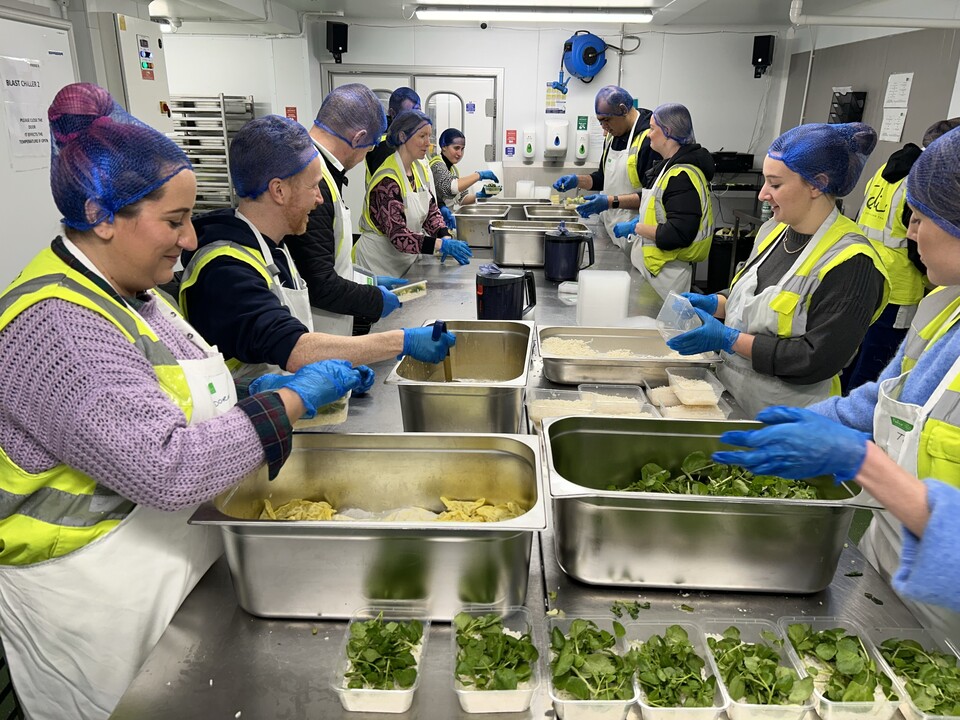
- Community kitchens that cook meals using surplus ingredients, such as those at St Luke’s Community Centre or St George’s Tufnell Park
- Composting initiatives that turn food scraps into soil for growing projects, such as the Upcycling Food project
- And, food redistribution schemes, from the Felix Project, to the Sustainable Nutrition Academy
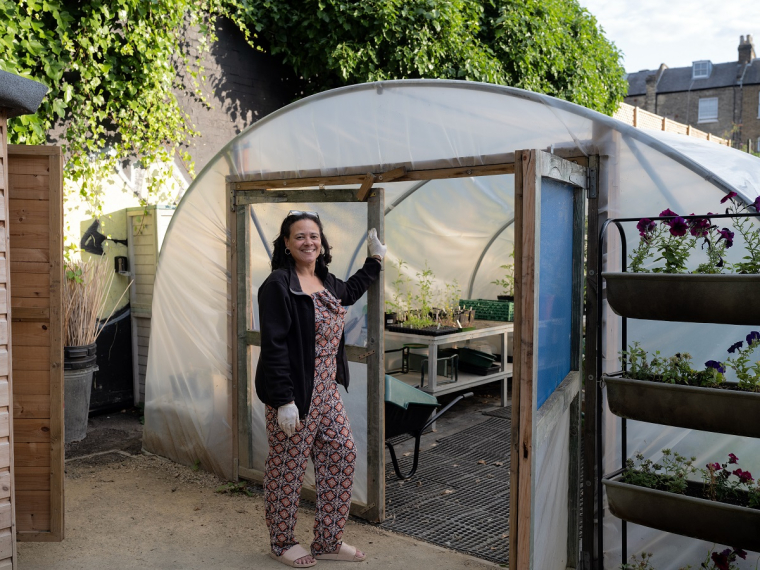
The Islington Food Partnership brings together these organisations as part of a wider effort to build a food system that is fairer, greener and more resilient.
If your organisation is running a project that helps reduce food waste, the partnership would love to hear from you.
Small Changes Make a Big Difference
Reducing food waste doesn’t require major lifestyle changes. Small everyday actions — such as planning meals, storing food properly, using leftovers and recycling unavoidable food waste — can add up to a significant impact.
By working together across households, businesses and community organisations, Islington can continue to reduce food waste and make the most of the food we already produce.